Articles
The Present and Future of Overseas Business
ー A discussion between Sunco and Four Japanese fasteners manufacturers on global business
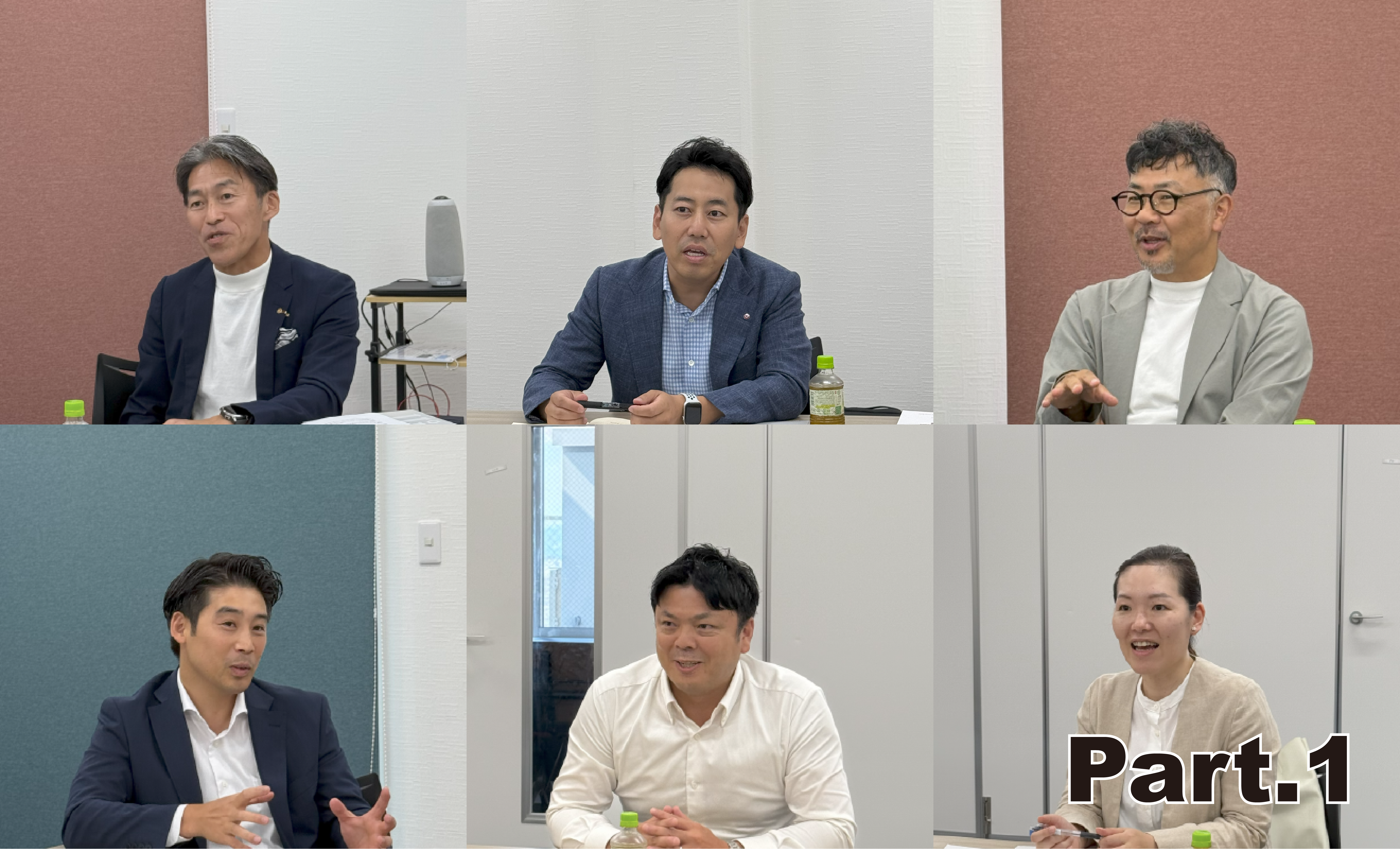
【Part.1】 This article features the first half of a roundtable discussion in which Japanese suppliers discuss the current state of Japan’s fastener industry.
In July 2025, Sunco Industries held a roundtable discussion with four of its suppliers. Under the theme “Discussing the Present and Future of Overseas Business,” the participants engaged in an in‑depth conversation about the international expansion of the screw industry.
Moderator: “To begin, could you please introduce your company?”
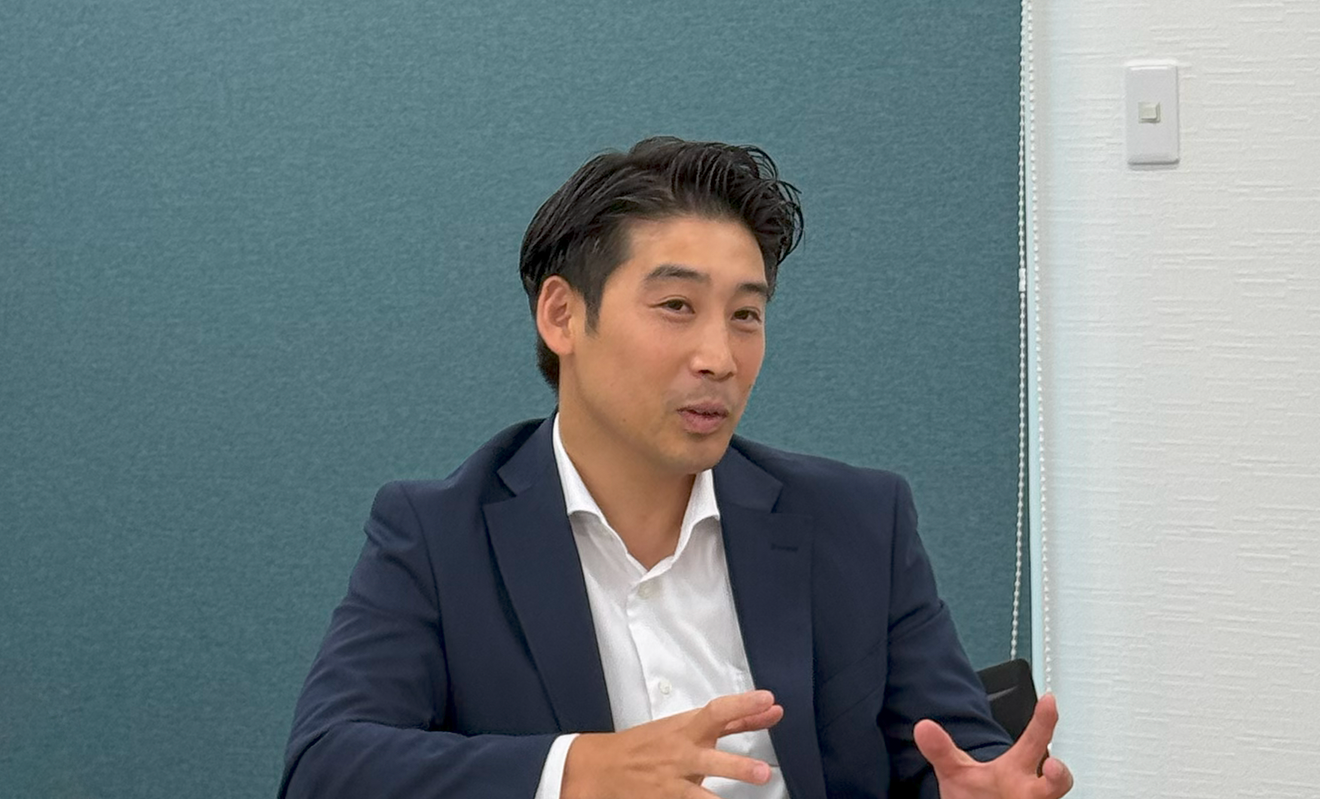
Mr. Ando: “Ansco Co. Ltd. is a fastener manufacturer specializing mainly in slender socket screws. We have bases in Aichi, Saga and Thailand. Our customers are primarily in the machine tool and automotive industries. Compared to last year, demand from the machine tool sector has been relatively strong and the automotive sector remains steady.”
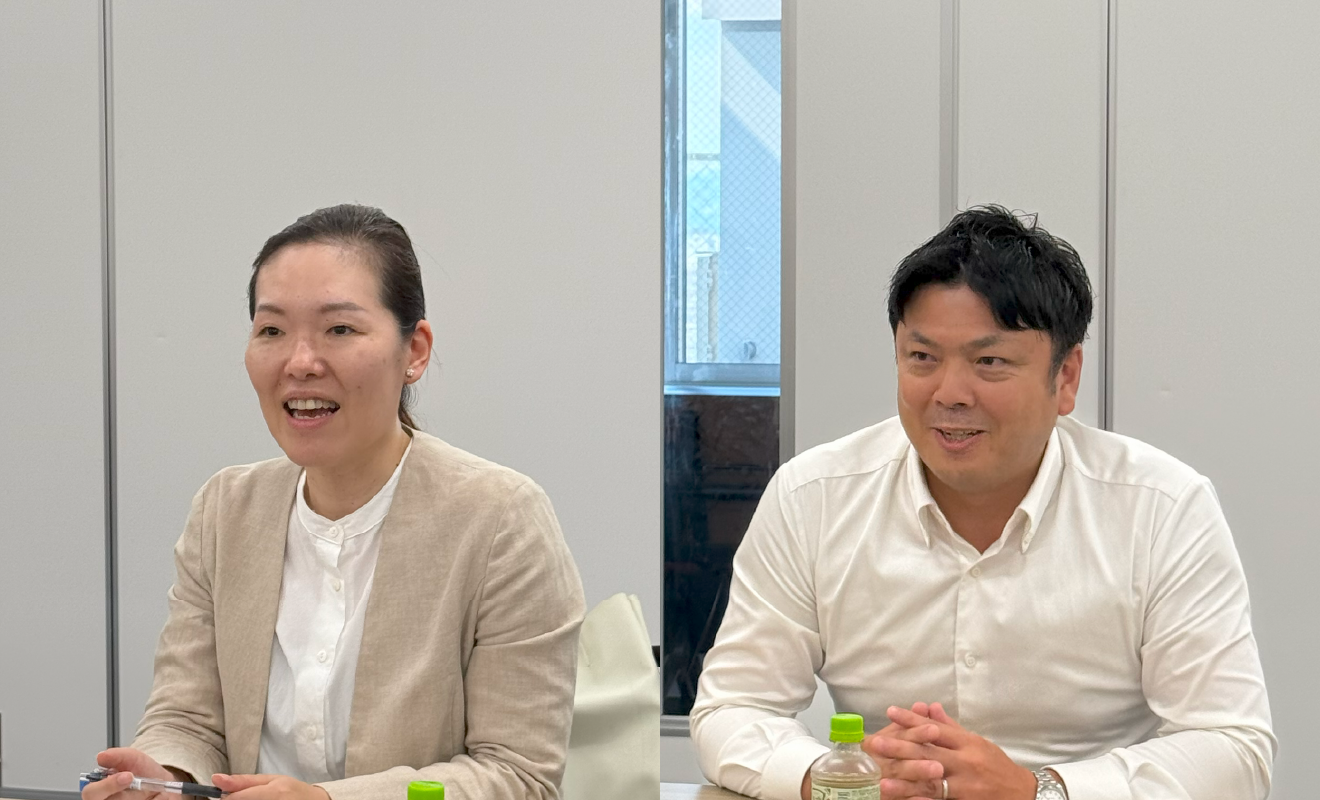
Mr. Taniguchi: “Nakaumi Industries Co. Ltd. is a specialized manufacturer of fully threaded screws. We produce products ranging from M3 to M64, mainly in iron and stainless steel. In Japan, we operate four factories and overseas we have a base in Vietnam. Recently, demand in the construction sector has been somewhat challenging, but business directed toward Europe has been relatively strong and our Vietnam base has been kept quite busy.”
Mr. Hashimoto: “Unytite Corporation, founded in 1946, is a fastener manufacturer that mainly produces high‑strength bolts, 10.9 bolts and nuts, supplying products to a wide range of industries. Our headquarters are located in Kobe and we have overseas bases in both the United States and China. Recently, demand in the construction and civil engineering sectors has been sluggish, while the shipbuilding sector is still performing relatively well. In China, where the automotive industry accounts for a large share, conditions are worse than in Japan, whereas our U.S. base remains steady.”
Mr. Murakami: “Nippon Fastener Corporation is a manufacturer mainly producing CHQ steel wire, high‑tension bolts and hexagon socket bolts. Our production bases are located in Tsurumi Ward, Osaka City and Shiga Prefecture. Unlike the other companies here, we have not yet expanded overseas. At present, our customers are primarily in Japan, but we are considering turning our attention to overseas markets in the future.”
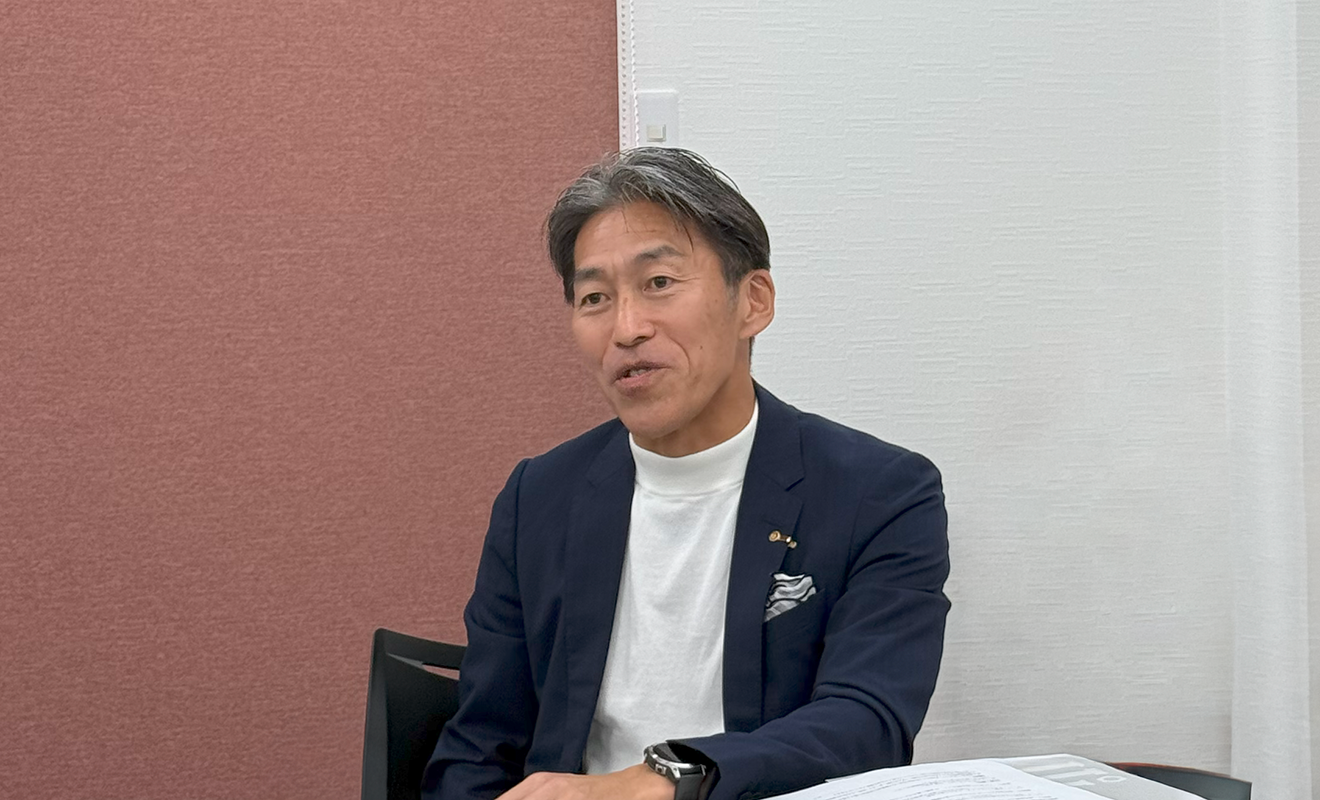
Moderator: “As you expand overseas, what strengths have you noticed in your own company or in Japanese companies more broadly?”
Mr. Ando: “Our strength lies in Japan’s technological capabilities. In my experience interacting with overseas partners, one of the most striking impressions is their amazement at fasteners as small as 1 millimetre. They are genuinely surprised that such tiny fasteners can be manufactured, and their interest exceeds our expectations. What we consider routine production within our company leaves a strong impact on people abroad.
I also believe that Japan’s reliability is another strength. At our company, we provide after‑sales service even after the products are delivered and I feel that such support contributes greatly to building trust with our customers.”
Mr. Taniguchi: “When selling fasteners overseas, the first response we often hear is, ‘Japanese products are expensive, aren’t they?’ That seems to be the impression many people abroad have of Japanese goods. In addition, in Europe, preparing the necessary paperwork for imports and exports can be quite complicated, but there are cases where we are trusted simply because we are Japanese.”
Mr. Hashimoto: “There are similarities with what the others have said, but I believe the real strength of Japanese products lies in their high quality. In addition, Japanese companies can become reliable partners for overseas firms, which is another advantage. When conducting business, issues such as payments and trust are naturally very important and I feel that Japanese people are highly regarded worldwide in terms of reliability.
On the other hand, I think a weakness is the lack of speed in management decision‑making.”
Mr. Murakami: “I feel there are operational differences overseas. In many cases abroad, the stance seems to be that even if the manufacturing process is somewhat rough, as long as defective products are screened out during final inspection before shipment, it’s acceptable. By contrast, in Japan we work to prevent defects from occurring right from the production stage, so the level of craftsmanship is higher. Whether the products sell well is another matter, but Japan also has a wealth of accumulated human expertise, know‑how and experience which I believe is a real strength.”
Mr. Takada: “I believe our strength lies in the wide range of products we handle. Thanks to the cooperation of our suppliers, we have a system that allows us to ship immediately after receiving an order. This is a major advantage for overseas customers and, I think, one of the reasons they choose our company.
In addition, our quick response from the sales team often impresses customers. The speed of our handling leaves a positive impression and fortunately, we now receive inquiries almost every day.”
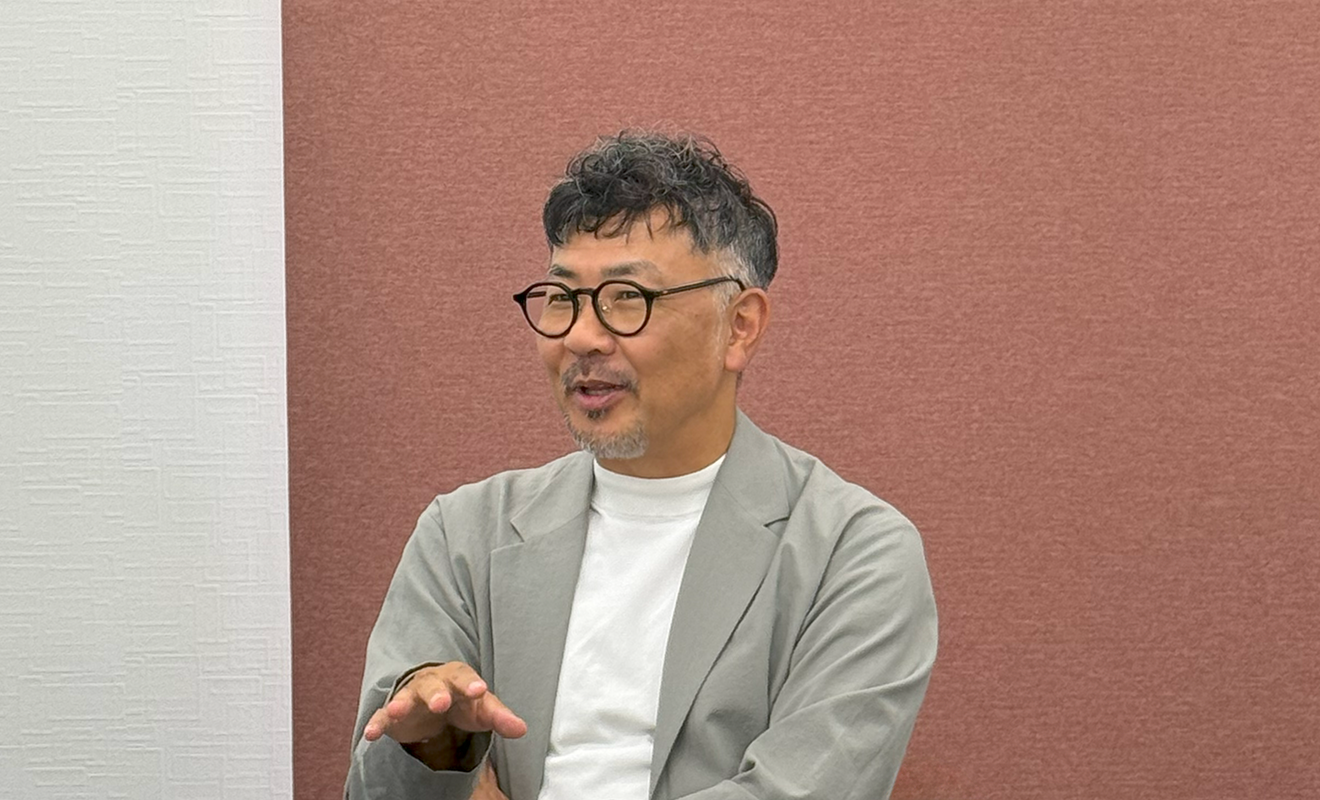
Moderator: “So then, how can Japanese fasteners be sold more successfully?”
Mr. Taniguchi: “In terms of our fully threaded products, I think selling them ultimately comes down to price. There are limits to producing cheaply and in large volumes within Japan, so at our overseas bases we focus on increasing production volume. As the production base expands, prices come down and I believe that broadens our reach in the global market.”
Mr. Hashimoto: “Globally speaking, it’s true that Japanese materials are expensive. However, with the yen having weakened so much, I wonder if price is really the only issue. Beyond pricing, there are also challenges in terms of standards and specifications - for example, we can meet JIS standards but not ISO standards.
In the U.S., tackling a niche market can be large enough in scale to establish an entire company. That said, we’ve had failures too: once we dropped a patent for a newly developed product in the U.S., imitation products quickly appeared. This experience showed me that it’s not just about development capabilities; strengthening sales power is also essential. If we can do that, I believe Japanese fasteners can sell much more successfully. Personally, I feel Japanese fasteners have great potential and I have high expectations for them.”
Mr. Murakami: “Developing sales channels is difficult for us manufacturers, so in that respect we rely on trading companies like Sunco.”
Ms. Hiraoka: “Since our company does not have overseas bases, it is difficult for us to conduct global sales activities in the same way we do within Japan. Therefore, we place emphasis on public relations activities that create opportunities for people to think, ‘There are so many interesting fastener companies in Japan,’ or ‘Japanese fasteners are worth using.’ We hope that our magazine Socket Boy can reach as many people as possible. We believe that such PR efforts are exactly what we, as a trading company, should focus on, and ultimately, these initiatives are supported by the development capabilities and technical expertise of our suppliers.”
Mr. Murakami: “In other words, it’s about equipping trading companies with the right tools.”
Ms. Hiraoka: “Our strength lies in JIS‑standard products, but when it comes to other standards, our lineup is not yet sufficient. As a result, there are times when we cannot provide satisfactory answers to customer inquiries. While we do take steps to ensure that we can respond to similar requests in the future, we often struggle with the question of how far we should expand our scope.”
Mr. Taniguchi: “When you say you want to be able to respond immediately to requests you previously had to decline, does that also apply to cases involving different standards, such as DIN standards?”
Mr. Takada: “Yes, of course there are limits to what we can handle, but since these inquiries come from customers who are interested in our company, we want to respond positively. Even if we cannot stock every size, by preparing at least some sizes, we hope customers will think of us again for future use.
From today’s discussion, I’ve realized once more that the most important thing is simply to be known. Japan has so many excellent manufacturers, yet overseas people are largely unaware of them. On top of that, many hold preconceived notions such as ‘Japan is far away and products are bound to be expensive.’ Only once they know about us do they begin to show interest, so I believe public relations activities are crucial.”
Mr. Ando: “There is overlap with what everyone has said, but I think the first step is to make sure users know about us and then to build a system where they can obtain our products immediately when they need them. As an activity to raise awareness, I feel that Sunco’s magazine, Socket Boy is a very effective strategy.
Going forward, collaboration between manufacturers and trading companies will be essential. By leveraging each company’s strengths and working together, we can enhance international competitiveness and I believe that will help Japanese screws sell more successfully.”
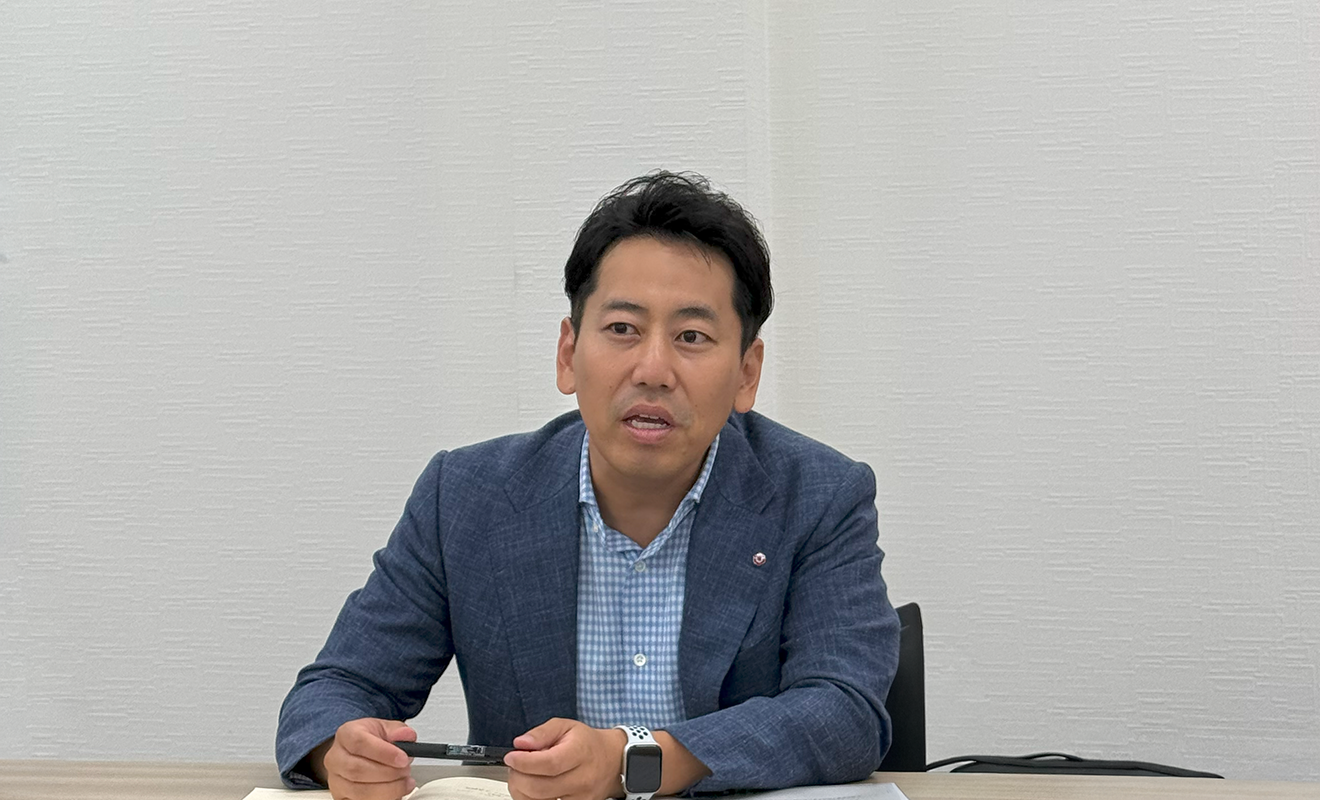
Moderator: “Conversely, what do you think Japanese companies currently lack?”
Mr. Hashimoto: “Some Japanese companies assume they cannot compete with foreign firms on price, but perhaps the real issue is simply a lack of promotion. Although Japan has a large number of fastener manufacturers, I believe that mid‑level and younger employees in overseas companies—those working on the front lines—are mostly unaware of this fact.
In particular, there is a common misconception that Japanese companies only produce fasteners for automobiles, whereas in reality a wide range of industrial fasteners are manufactured as well. Unfortunately, this is not widely recognized. Another challenge is that many Japanese firms lack overseas experience and therefore do not know how to promote themselves effectively.
As President Ando mentioned earlier, I think a strategy where manufacturers and trading companies collaborate to promote themselves abroad is very promising.”
Mr. Taniguchi: “It’s true that very few people think of ‘fasteners’ when they think of Japan. I myself once visited a company in Italy that I thought was a trading firm, but it turned out they were also engaged in manufacturing. Since Italy is usually associated with fashion, we too were unaware that such fastener‑manufacturing companies existed there.”
Mr. Murakami: “Even when it comes to something as simple as our company website, it is only available in Japanese. With information being provided solely in Japanese, the language barrier makes it difficult to communicate overseas. I believe it is necessary to shift toward global language support.”
Article by Chizuru Kishibe